Tap heads for KEG connections – which one is right for you?
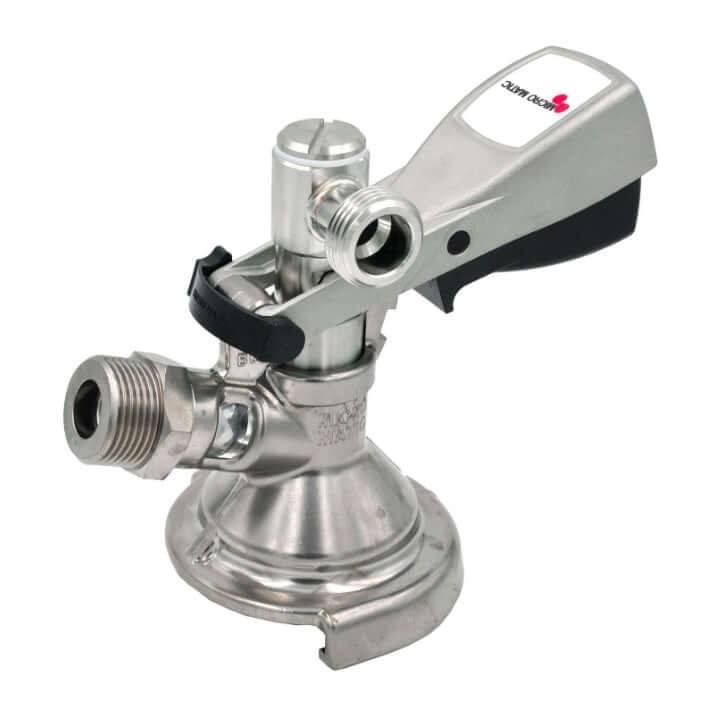
The keg connector is the heart of every dispensing system, but not every tap head fits every beer keg. There are different keg connectors that vary depending on the brewery and region. Therefore, anyone looking to purchase a beer keg with a keg connector should know exactly which tap head fits the particular keg.
The most common KEG connections are flat, combo, basket, bayonet, and basic. Flat and combo connections are particularly common in Germany, while international breweries often use their own systems. For example, a Heineken keg requires a different tap head than a Guinness keg.
In addition to the correct fit, the quality of the tap head also plays a crucial role. A high-quality tap head ensures a consistent beer flow and prevents unnecessary foaming. Furthermore, the keg connector should be cleaned regularly to prevent deposits and contamination. Using the right keg connectors and tap heads ensures optimal beer delivery and full flavor.
Which KEG connection dimensions are important for the right tap head?
When purchasing a tap head for a beer keg with a KEG connection, it's not just about choosing the right connection type, but also the right dimensions. An incorrect KEG connection can result in the tap head not sealing properly or disrupting the beer flow. Therefore, it's important to know the standard sizes and dimensions of KEG connections.
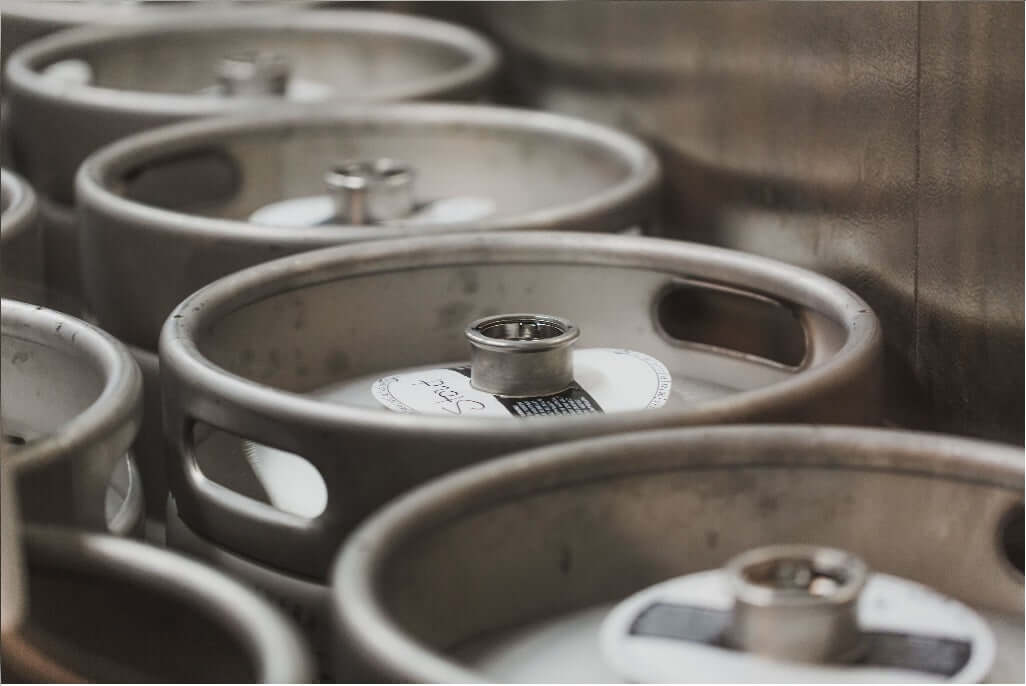
In Germany, beer kegs with a volume of 10, 20, 30, or 50 liters are common, and they are usually equipped with a flat or combination connector. However, it's not just the keg volume that matters – the diameter of the KEG closure, the height of the seals, and the diameter of the riser tube also influence which tap head can be used.
With the right KEG connection dimensions and a high-quality dispensing head, nothing stands in the way of a perfect dispensing process.
Tap heads for beer kegs: The most important differences explained
Tap heads are available in various designs, each tailored to specific keg connections. Anyone planning to purchase a beer keg should therefore find out in advance which keg connection is required for the desired keg. The differences between the keg connections primarily concern the design and connection mechanism.
In Germany, the flat connector is commonly used for beer kegs, while in other countries, the bayonet or basket system is used. The dimensions of the keg connectors also vary depending on the system. Another important consideration is the handling of the tap head. While some keg connectors are simply secured with a lever movement, other systems require a twist or bayonet movement. Furthermore, the keg closure must be properly sealed when connected to ensure the beer can flow smoothly from the keg.
To find the right keg connector, it's helpful to use a keg connector list that shows all common systems. This makes it easy to quickly determine which keg connector is needed for which keg. With the right keg connector, the optimal keg connector size, and regular cleaning, your beer will stay fresh and can be tapped without any problems.
Cleaning the KEG connection: This keeps the beer fresh and taste stable
A clean keg connection is essential for a perfect tapping experience. Beer, yeast, and carbon dioxide residues can build up in the lines and the tap head, which not only impairs the taste but also compromises hygiene. Therefore, if you want to clean your keg connection, you should ensure thorough and regular maintenance.
Cleaning begins by disconnecting the keg connector from the beer keg. The tap head, hoses, and seals are then rinsed with clean water. For a deeper cleaning, we recommend using special cleaning agents that reliably remove deposits and bacteria. Especially in catering establishments, the keg connector should be cleaned daily to ensure the highest quality.
Even amateur tappers shouldn't neglect their keg connection. For occasional use, it's sufficient to rinse the system after each use and treat it with a cleaning solution every two to three weeks. This keeps the beer keg hygienically clean, and the keg connection always ensures a fresh and authentic taste experience.
Setting up a KEG connection: The most important components explained
A well-functioning keg connector is essential for perfect beer dispensing. However, the construction of a keg connector requires the correct interaction of various components. Anyone who wants to install our keg connector should know which components are required and how they work together. A faulty connection can lead to pressure problems, excessive foaming, or even beer loss.
The most important component is the tap head, which must fit exactly to the keg's keg connection. Each keg has a specific locking mechanism, so not every tap head is compatible with every keg. Only when the tap head is correctly positioned and locked onto the keg connection can the beer be tapped without problems.
In addition to the tap head, the CO₂ supply plays a central role in the construction of the keg connection. The carbon dioxide from the gas cylinder is fed into the keg via a pressure reducer. This ensures that the beer flows from the keg at the correct pressure without excessive foam. The exact keg connection dimensions must be observed, as the gas pressure must be adjusted for different beer types.
Another essential component is the hose system that transports beer and gas. The beer hose connects the beer keg connector to the dispensing system, while the gas hose ensures the CO₂ supply. Both hoses should be cleaned regularly, otherwise deposits will form that impair the beer flavor. Therefore, it is important to clean the keg connector to ensure hygiene and quality.
In order to connect our keg closure, it is also crucial that all seals are intact. Leaks in the keg connector can lead to pressure loss, which significantly impairs the dispensing quality. There are differences, especially between the different types of kegs, that should be considered when purchasing a keg connector.
If you set up the keg connection correctly, you can look forward to a perfect tapping experience. With our matching keg connection, good maintenance, and proper cleaning, the beer will stay fresh and full-flavored – just as it should be.